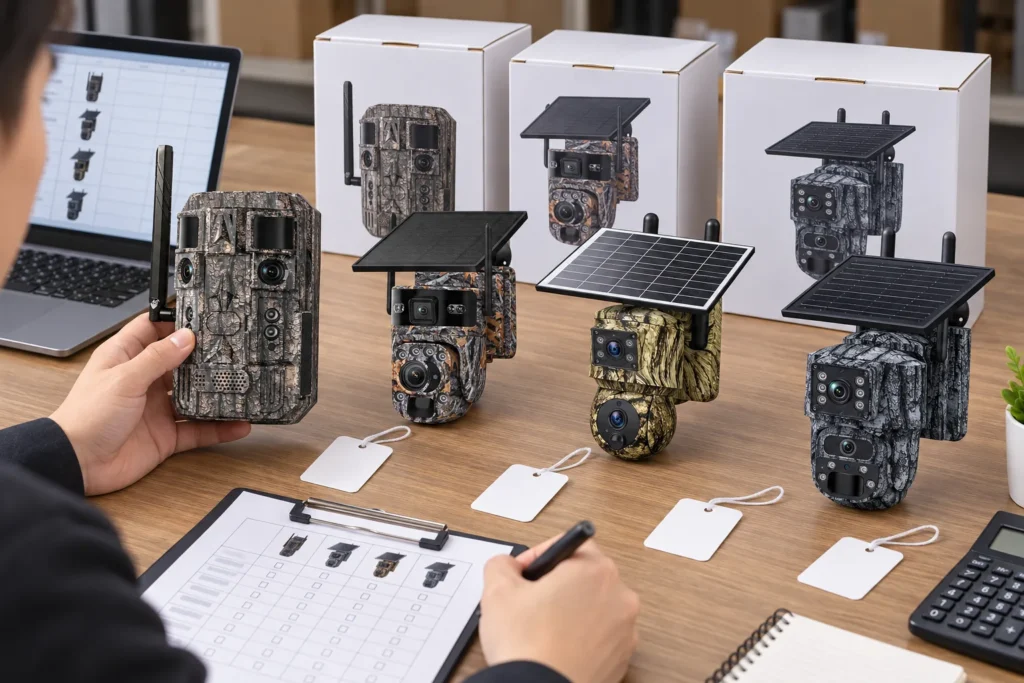
B2B buyers in hunting equipment, wildlife research, agriculture, forestry, security, and outdoor retail need more than a catalog before selecting trail camera manufacturers. Procurement managers, private-label owners, distributors, and product teams must compare the supplier’s location and production model, camera and connectivity configuration support, OEM ownership terms, sample and pilot controls, certification handling, batch quality records, warranty coverage, capacity, and delivery commitments. For cellular products entering regulated markets, the review may also include the FCC equipment authorization rules, alongside the requirements of the target sales region.
The practical choice is a manufacturer that matches your operating model and can document each commitment in writing. Confirm where the supplier operates and where production takes place, then verify that the required camera configuration, cellular bands, GPS, firmware, housing, packaging, and app requirements can be quoted for the specific project. Set ownership rules for artwork, firmware, app assets, and other custom work before development starts. Request representative samples, define the pilot and certification gates, and require batch-level QC documentation before approving volume production. Your purchase terms should also state the warranty period, volume assumptions, production timing, and delivery responsibilities. A supplier that answers these questions clearly is a stronger candidate than one that relies on broad capability claims or a low initial quotation. The following sections examine each decision area separately, so buyers can test supplier fit before committing to a production program.
Match the Manufacturer’s Location and Production Model
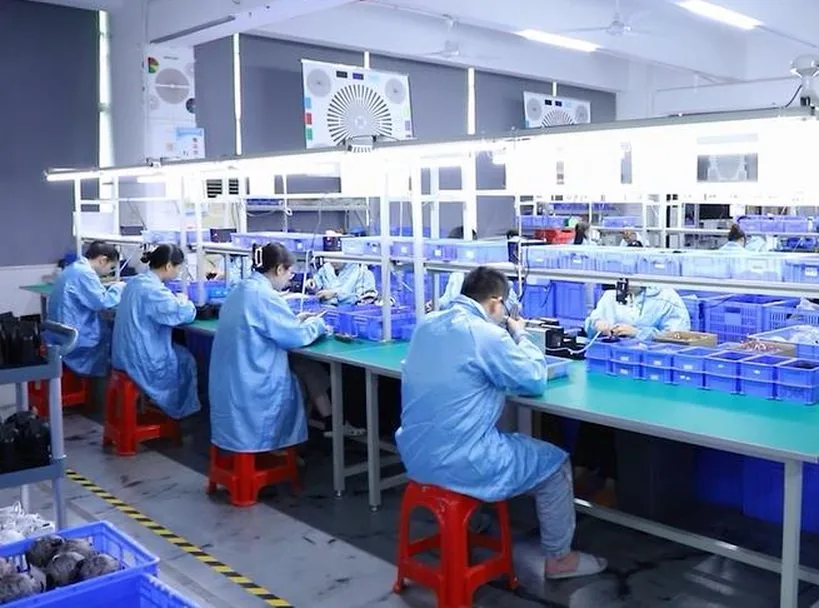
Start by identifying whether a supplier is a trade office, a manufacturing site, or both. This distinction shows where commercial coordination takes place and where production is performed, which can affect communication, factory visits, documentation, and order planning. GoTrailCam is operated by Wuhan Morntrip Supply Chain Co., Ltd., a trade office in Wuhan, while its cameras are manufactured in Shenzhen’s Bantian area in Longgang District. The GoTrailCam company profile presents this Wuhan–Shenzhen structure, while the trail camera product range provides the commercial starting point.
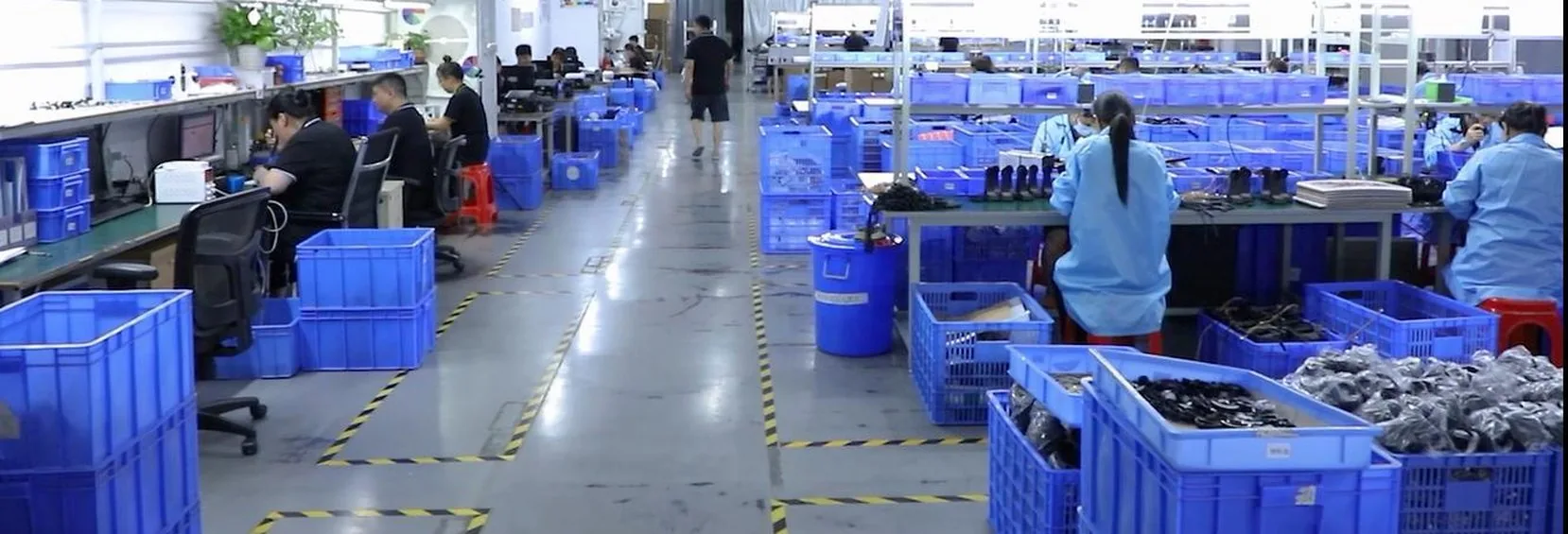
For trail camera manufacturers under consideration, compare the production setup with your planned order volume rather than relying on a general factory label. Request clear information on production history, facility footprint, monthly capacity, annual output, and export coverage. GoTrailCam’s manufacturing operation has 23 years of experience in security cameras and covers more than 8,000 m² across four facilities. Its peak output is 500,000 units per month, with 5 million units produced last year and buyers in 47 countries.
These figures give a practical reference for assessing whether the supplier’s operating scale matches your purchase plan. A smaller trial order may call for close commercial coordination with the Wuhan office, while a larger program should be reviewed against the Shenzhen production footprint, stated output, and export experience. Keep the assessment specific: verify which entity issues quotations and handles coordination, which site manufactures the cameras, and whether the published capacity and market coverage align with your expected volume and destination markets.
Confirm Camera and Connectivity Configuration Support
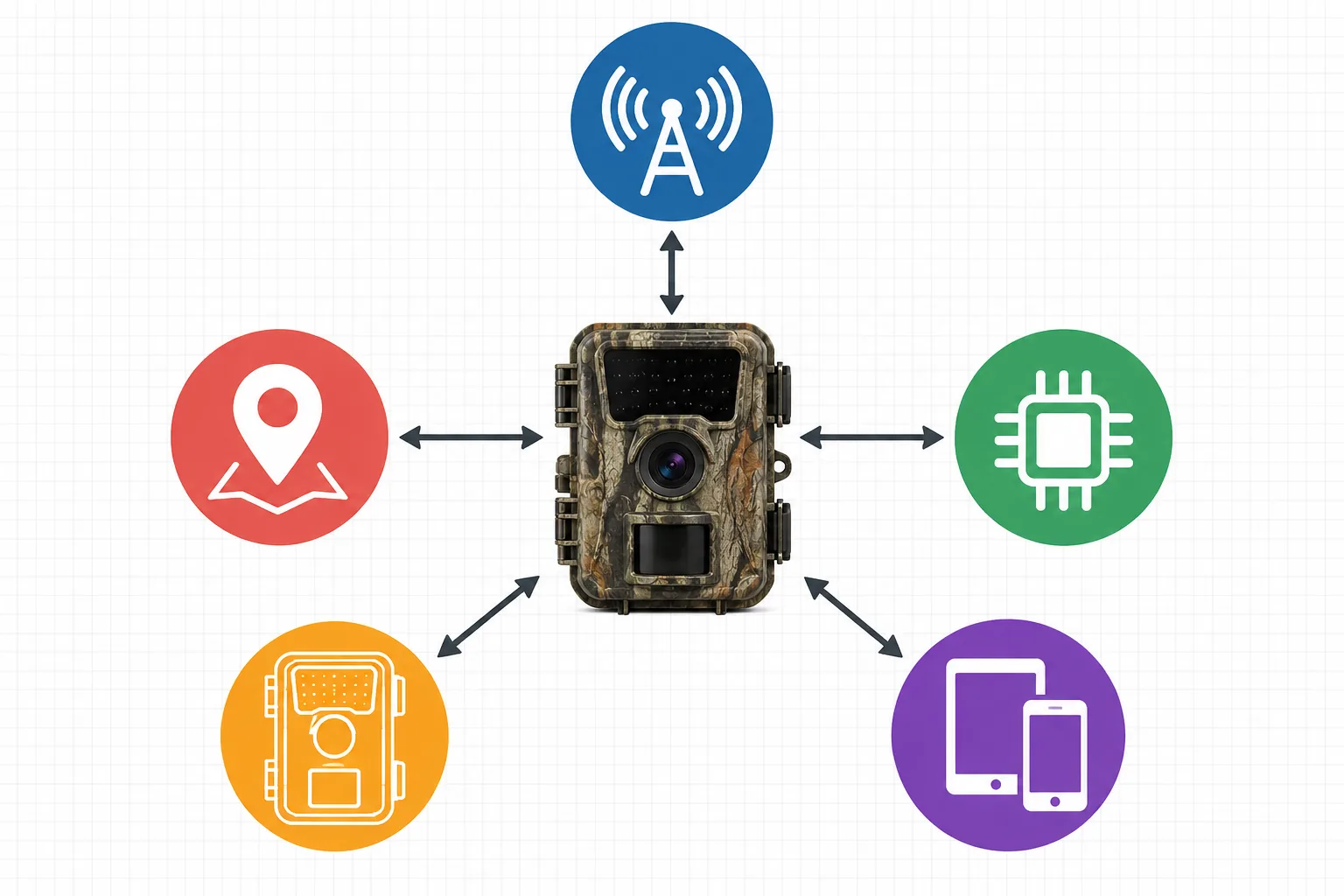
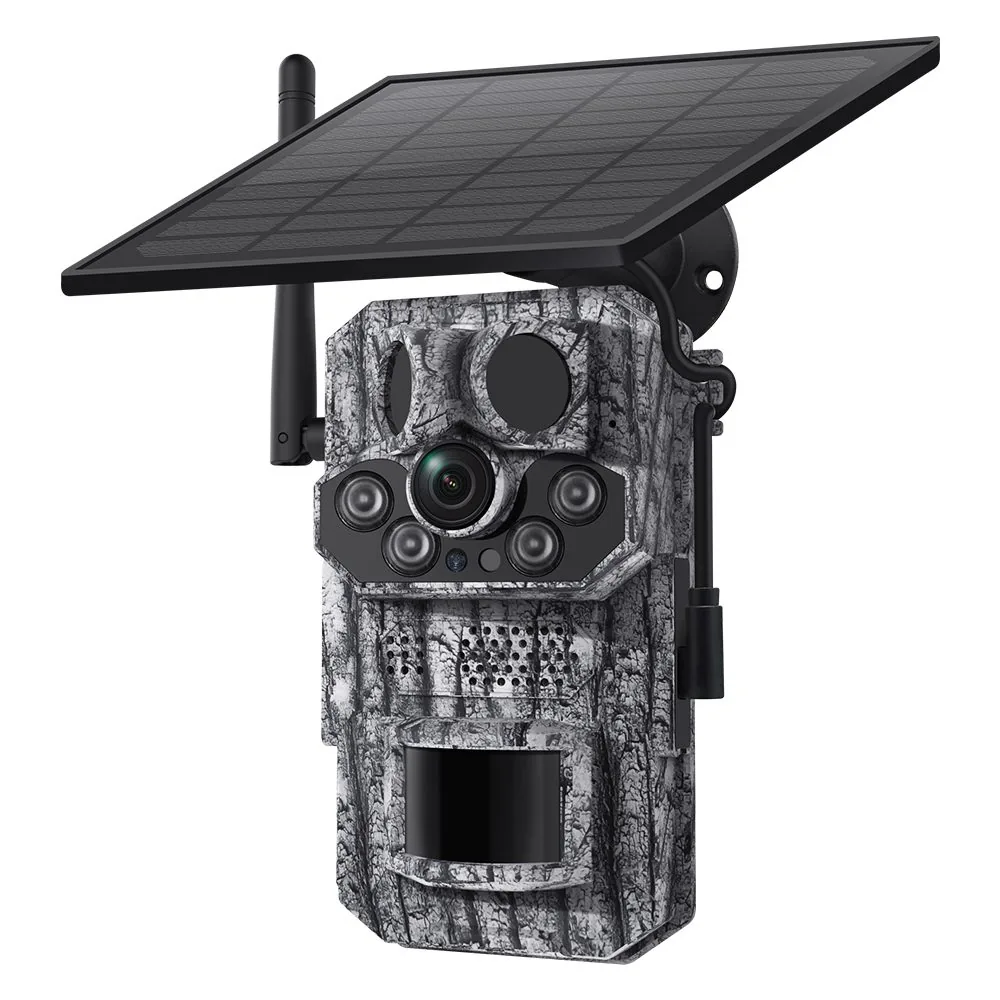
Ask whether the supplier can match the complete camera and connectivity configuration, not just provide a standard unit. Prepare a single requirements sheet covering the required camera functions, cellular bands, firmware scope, housing changes, GPS, and any other configuration items. Include the intended product reference, such as a triple-PIR 4G camera or dual-PIR 4G model, only as a starting point; the quotation must state what will be changed or retained.
At GoTrailCam, custom firmware, LTE bands, and housing are quoted per project, with engineering and certification included in the quotation. Ask any supplier to map every requested configuration to a project quotation before commercial approval. The document should connect each item to its price, engineering scope, and certification coverage, so unresolved configuration assumptions do not enter the purchase decision. If GPS or another requested function is not listed, treat it as unconfirmed until the supplier adds it to the quotation.
Set OEM Ownership and Customization Terms
Put confidentiality, artwork ownership, app skin ownership, file retention, and reproduction rights into the project documentation before production discussions move forward. These terms should identify which materials belong to the buyer, what GoTrailCam may retain, and the limited purpose for retaining them. The documentation should also state whether the buyer’s own NDA or GoTrailCam’s NDA governs the project.
GoTrailCam signs an NDA before any project involving the buyer’s housing, firmware, or app. Buyers may provide their own NDA or use GoTrailCam’s. This requirement is particularly relevant where the project includes proprietary industrial design, software changes, or a branded application interface.
Ownership should be stated in practical terms. Buyers own their artwork and app skin. GoTrailCam keeps the files only to reproduce the buyer’s next order, so the project documents should record that retention purpose and should not imply broader reuse or reproduction rights.
The GoTrailCam OEM page provides the working materials needed to define the customization scope: a logo placement guide in PDF format, a retail box dieline in AI format, and an app skin specification in PDF format. These references can be attached to the approved specification so the production team works from the same files.
Quantity also affects the branded deliverables. At GoTrailCam, from 500 units, buyers receive their own retail box, manual, and app skin. The purchase documentation should connect the agreed quantity with these deliverables and identify the final artwork files approved for production. This gives both parties a clear record of what is owned, what may be retained, and what GoTrailCam may reproduce for the buyer’s next order.
Validate Samples, Pilots, Certification, and Batch QC
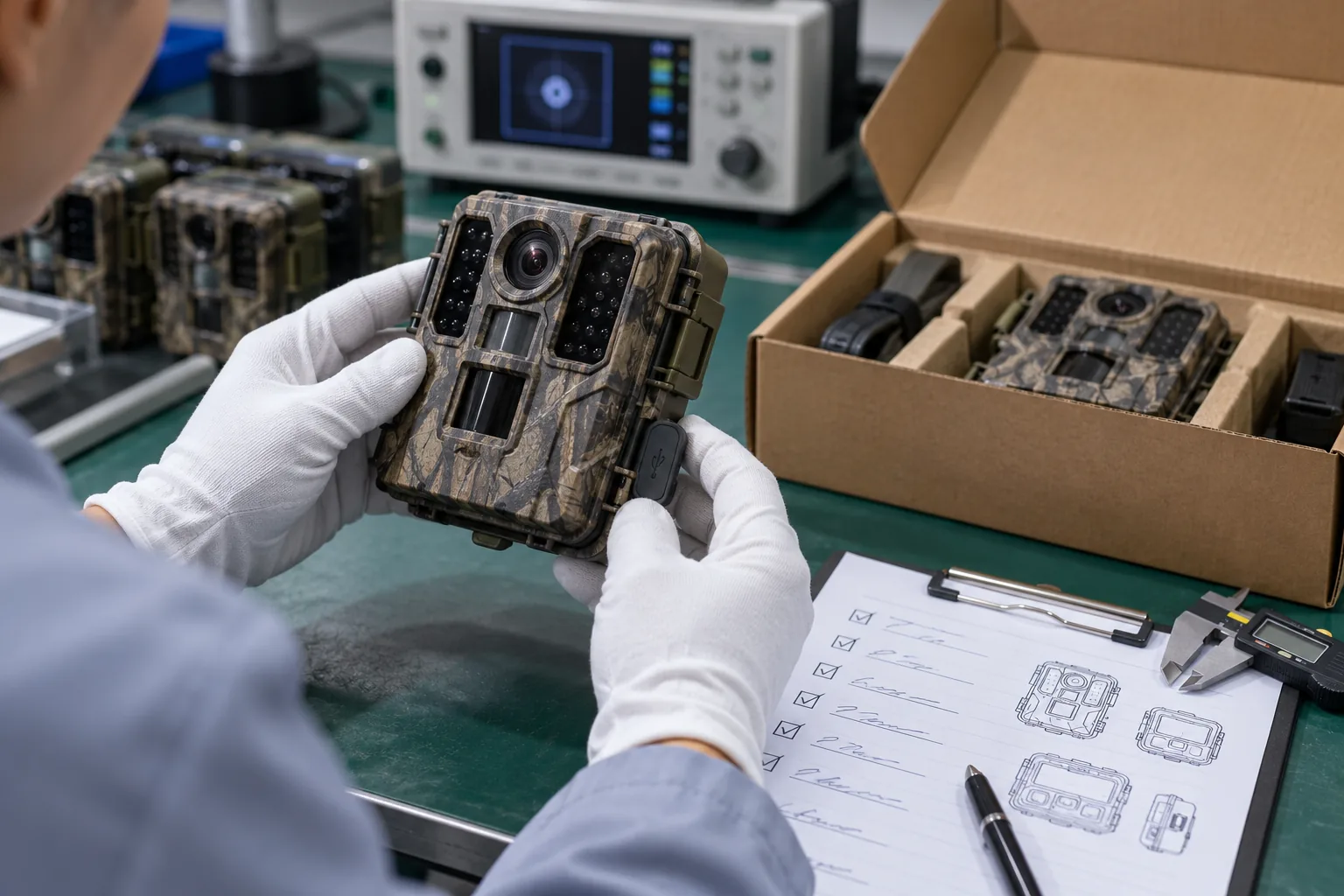
Ask for samples for a functional review. GoTrailCam provides one to three units, ready in 3 to 7 days. Test the units against the intended use case before discussing a larger commitment. Record findings on core functions, configuration accuracy, and any changes required, so the sample review becomes a clear reference for later approval.
Use GoTrailCam’s six-step workflow as a review map: inquiry, sample, configuration, pilot run, certification, and production. Keep each decision in the project record, including cellular bands, GPS, logo, retail box, and app skin. This prevents an approved sample from being followed by a differently configured production unit.
Treat the pilot run as a first carton for your own test, rather than as a formality. Check the carton’s product configuration and packaging against the project record, then document any correction before production. Ask for the certification documentation associated with the project and retain it with the approval file. At GoTrailCam, production takes about four weeks and includes a QC report for every batch; with any manufacturer, request that report with each shipment record. This gives the purchasing team a repeatable trail from sample approval through batch release, without relying only on a supplier’s general quality statement.
Confirm Warranty, Volume, and Delivery Commitments
Before issuing a purchase order, record the warranty term, production timing, volume assumptions, delivery schedule, and documents included with each batch. The manufacturer’s quotation should state these items clearly, rather than leaving them to a general catalog or verbal estimate. GoTrailCam, for example, gives every camera a two-year warranty, takes about four weeks for production, and includes a QC report for every batch. Commitments like these should appear in the quotation and purchase order, together with the required delivery date and batch documentation.
Volume should reflect the actual project rather than an assumed standard. One private-label GoTrailCam buyer in Latin America ordered 60,000 units across 10 months for one national market, with its own box, app, and brand. This case provides a useful scale reference, not a universal order requirement. Ask the supplier to state the project quantity, shipment timing, production assumptions, and any conditions attached to the delivery plan. The quotation should also identify whether the stated volume is a single order or a program spread across multiple shipments.
For practical preparation, use this private-label quote checklist and review the HC810 product page as part of the product discussion. Request a project-specific quotation from the manufacturer before approving the purchase order.
FAQ
What information should a buyer include in a trail camera RFQ?
Include target quantity, sales market, cellular requirements, housing or firmware needs, packaging scope, app requirements, testing expectations, delivery window, and required commercial documents.
How can buyers compare trail camera manufacturers fairly?
Use the same checklist for each supplier: operating model, production location, configuration scope, ownership terms, sample process, quality records, warranty, volume terms, and delivery commitments.
What should a buyer inspect during sample testing?
Check image quality, trigger response, night performance, cellular behavior, battery use, app workflow, housing fit, packaging accuracy, and the records needed for market release.
What should be documented before a bulk trail camera order?
Document the approved configuration, ownership terms, sample acceptance criteria, pilot expectations, certification responsibilities, batch records, warranty coverage, quantities, and delivery dates.
Next step
Prepare your target quantity, connectivity requirements, OEM scope, sample criteria, and delivery window, then send them for a project-specific quotation.